Endless Recycling for Acrylic Plastics?
In the world of chemicals, turning waste into feedstock is where the most interesting markets begin.
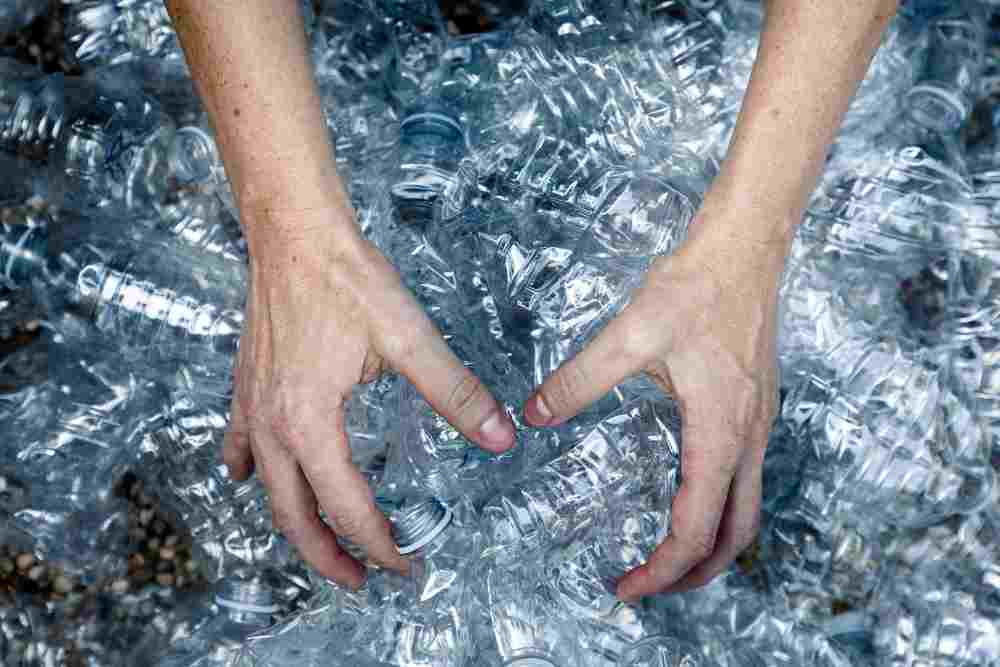
Plastic recycling has always promised more than it delivered. In theory, it closes the loop as raw materials and polymer feedstocks are recovered, reused, and kept out of landfill. In practice, most plastics are simply downcycled into lower-value products, with each recycle degrading the material further, until eventually it becomes waste anyway.
Acrylic plastics are a particularly frustrating example.
Appearing in everything from smartphone screens and medical devices to automotive lights and architectural panels, polymethyl methacrylate (PMMA), better known as acrylic or Plexiglas, is prized for its optical clarity and durability. But once it reaches the end of its life, recycling options are limited.
But now a research team from the University of Bath in England may have found a way around the problem through a process that could allow acrylic plastics to be recycled repeatedly without losing quality.
A Light-Driven Chemical Shortcut for Acrylic Recycling
Chemical recycling approaches do exist for acrylic, through processes designed to break down the polymer chains back into their original methyl methacrylate (MMA) monomer. However, these techniques typically require extremely high temperatures (sometimes approaching 400 °C) making them energy-intensive and often prohibitively expensive.
But the latest research from the UK proposes a different route to avoid the use of extreme heat by replacing it with a light-activated chemical reaction that effectively “unzips” the plastic.
As the University press release explains, the new process “uses UV light under oxygen-free conditions to chemically break down consumer-grade PMMA plastic into its original monomer building blocks.” Adding that, “Crucially, the chemistry works at 120-180°C, far below the 350-400°C typically needed for conventional pyrolysis-based recycling.”
Although the process must be conducted in a solvent system and requires an oxygen-free environment to prevent unwanted side reactions, the recovered monomers can be purified and repolymerised into fresh acrylic material that performs like newly manufactured plastic.
Not only does this purity allow for constant recycling, but it is also highly efficient. As the study, which has now been published in the journal Nature Communications, notes, “We have achieved gram-scale degradation of consumer plastic with >95% conversion, yielding >70% monomer.”
Those numbers are encouraging because chemical recycling only becomes commercially viable when the recovery rates are high enough to justify the processing costs.
Additionally, while previous depolymerisation methods rely on chlorine-containing reagents or other chemicals that complicate environmental compliance, this innovative approach avoids these, potentially making the process easier to scale in an industrial setting.
Related articles: War Shows Manufacturers the True Value of Recycled Polymers or Electrifying Chemical Products for Sustainability and Profit
While the research remains at an early stage (so far, experiments have only been demonstrated at a gram scale in the laboratory), the move from academic proof-of-concept to a commercial recycling facility of mixed waste streams seems possible.
And if this relatively low-temperature, light-driven pathway to restoring acrylic plastics to their original chemical building blocks is found to be economically viable then chemical markets and supply chains will be significantly impacted.
According to the University press release, approximately 3 million tonnes of PMMA are used worldwide each year, with almost all of it produced from petrochemical feedstocks. This means that a viable closed-loop recycling system would have several knock-on effects.
Primarily, acrylic waste could become a raw material rather than a disposal problem, giving value to scrap from manufacturing and old consumer products, as it could be collected and processed as a feedstock for chemical recycling plants.
Secondly, the pricing relationship between virgin and recycled MMA could become an interesting dynamic, as recycled monomer could be produced at a competitive cost to fossil-based chemicals.
“With current methods for recycling both energy intensive and inefficient, the demand for cleaner, more efficient recycling technologies has never been greater,” observes lead researcher Dr Jon Husband. “Plastic recycling can be tough to make economically feasible, due to issues around high energy costs and low-quality product; this work directly addresses both of these issues.”
For decades, the plastics industry has struggled to reconcile high-performance materials with environmental sustainability. Acrylic plastics illustrate the dilemma perfectly: valuable materials that are difficult to recycle effectively.
“Developing new chemical recycling approaches matters,” explains Dr Simon Freakly, the study’s senior researcher, “because it turns waste back into pristine new materials, rather than a lower grade, low-value material destined for eventual disposal.”
If light-driven depolymerisation can be implemented economically, it could transform acrylic plastics from a largely linear material into part of a circular chemical system. And in the world of chemicals, turning waste into feedstock is often where the most interesting markets begin.