EU-India Trade Deal: What It Means for Chemical Business
Who will benefit most from the new trade deal between India and the EU?
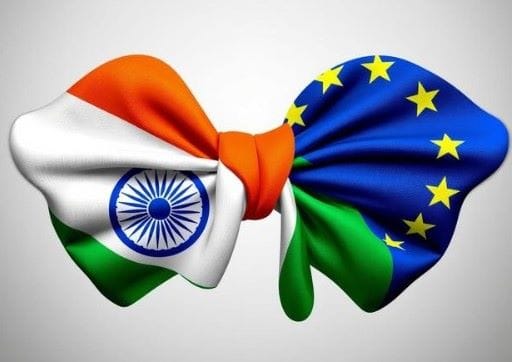
The recently concluded EU–India trade agreement marks a major step forward in economic cooperation between two of the world’s largest trading blocs. For the chemical sector — a highly traded, standards-intensive, and strategically vital industry — the deal (covering total trade worth up to $190 billion in 2024) stands to reshape supply chains and market access not only between Europe and India but also for trading partners across Asia, the Americas, and Africa.
But who stands to benefit most?
Here the key provisions affecting chemical business are examined, together with the opportunities and risks for producers and traders, and the strategic priorities for chemical businesses.
A Stronger Trade Framework for Chemicals
Historically, EU–India chemical trading has been constrained by high tariffs (currently an average of 3.8% on all Indian goods), regulatory divergence, and procedural frictions in certification and customs.
But after two decades of negotiations, the new agreement plans to deliver a phased reduction in duties for many chemical products, coupled with commitments to align certain regulatory practices and enhance mutual recognition of standards. While not a full customs union or harmonisation of all regulatory frameworks, this is among the most substantive market-opening deals India has ever agreed to.

For chemicals — from basic petrochemicals and industrial intermediates to speciality and fine chemicals — tariff savings and cooperative regulation can be significant. For example, duties on select organic compounds, polymers, and agrochemical inputs are set to diminish over a defined schedule, lowering landed costs for chemical importers and increasing price competitiveness for exporters.
For comparison, the recent India-UK deal has been projected to “increase chemical exports by 30-40% in the short term.”
Key Benefits for EU Chemical Producers and Traders
European chemical manufacturers will see several concrete advantages:
· Expanded access to India’s large and growing market. India’s economy is projected to sustain robust growth, driving demand for chemicals across infrastructure, automotive, pharmaceuticals, consumer goods, and agriculture. Lower duties will help EU producers price more competitively.
· Improved predictability and reduced trade costs. Streamlined rules on customs procedures and regulatory cooperation will aid cross-border movement, reduce time in port, and improve supply chain reliability.
· Scale advantages for speciality chemicals. EU firms with differentiated products — such as high-performance polymers, coatings, and catalysts — are well-positioned to capitalise on tariff reductions where Indian manufacturers still rely on imports.
· Investment and joint-venture potential. The deal’s broader economic cooperation signals may spur greater foreign direct investment in Indian production facilities, technology partnerships, and shared R&D initiatives.
These factors combined should strengthen Europe’s chemical market share in India, encouraging the diversification of its customer base outside of traditional Western markets.
Implications for the Indian Chemical Sector
The Indian chemical industry also stands to benefit but faces distinct competitive pressures:
· Easier access to the EU market. Indian exporters sold $76 billion worth of goods and services in 2024, but with reduced tariffs (especially in basic chemicals, dyes, and selected agrochemical intermediates) they can expect to improve both their export volumes and margins to the Europe.
· Pressure to meet high regulatory standards. The EU’s rigorous environmental and safety standards (most notably REACH) remain a non-tariff hurdle. Indian firms will need enhanced compliance capability and quality assurance systems to compete effectively.
· Technology transfer and consolidation incentives. The deal may catalyse technology inflows, skill development, and M&A activity as EU firms seek footholds in India’s growing markets.
For Indian SMEs and chemical traders, the immediate focus will be on understanding the certification processes to meet European buyers’ specifications, while also adapting to how tariff reductions will ease EU supplier entry into Indian markets.

Broader Global Trade Impacts
The EU–India agreement will ripple far beyond Europe and the subcontinent, with several important global trade effects likely. These include:
· Realignment of supply chains. Chemical companies in regions like ASEAN, China, and the Middle East may see shifts in raw material sourcing and investment flows as EU and Indian manufacturers reconfigure their supply networks to exploit the benefits of the new deal.
· Competitive pressure on third markets. For markets where EU and Indian producers compete — such as Africa and Latin America — feedstock and finished chemical product prices may converge as respective regional advantages are removed.
· Strategic positioning vis-à-vis the US and China. The EU–India deal strengthens economic ties that counterbalance other major trade blocs. For chemical traders and manufacturers, this diversification will likely reduce over-dependence on any single export market, enhancing resilience.
What SMEs and Chemical Traders Should Do Next
The EU–India trade deal presents real opportunities, but success depends on being proactive. The top priorities include:
1. Market intelligence and tariff planning. Analysis of the new tariff structures is essential, as is modelling the timeline of changes in duty for specific chemical products to optimise contract timing.
2. Regulatory readiness. Investing in quality certification and environmental compliance is also needed to ensure chemical products meet both EU and Indian requirements.
3. Diversified supply chain design. Procurement teams should acknowledge the new logistic challenges for these two geographically diverse economies.
4. Strategic partnerships. Chemical companies would do well to explore long-term alliances, distribution agreements, and cooperations which are mutually beneficial to both Indian and European partners.
The new EU–India trade agreement is a landmark development for the global chemical industry. By lowering barriers, enhancing regulatory cooperation, and signalling deeper economic ties, new avenues for growth and competition have been opened. Both European and Indian chemical producers can benefit, but only those who understand the commercial, regulatory, and strategic implications will fully capitalise on the once-in-a-decade possibilities available.
Related articles: How the UK's Carbon Border Tax Will Impact Chemical Trade or When a Weakened European Chemical Industry Met CBAM
For chemical traders and manufacturers worldwide, the deal underscores the importance of combining deep market knowledge with adaptability and initiative-taking. In an era of onshoring and geopolitical tension, the EU–India trade deal represents a golden opportunity for astute chemical industry professionals operating in one of the world’s most dynamic and interconnected markets.
Photo credit: Freepik, Ededchechine, Pawan Kumar on Unsplash, Harshal, & Gencraft