Europe’s Energy Price Crisis: Can Chemical Production Be Saved?
How high energy costs are squeezing Europe’s chemical industry, and where industry plans and Brussels' policy align — and clash.
Anyone working in the European chemical sector knows that energy prices are no longer a background issue. They are central to every serious conversation — from capital investment to raw material sourcing, to chemical production, to logistics, and end-use. The price of power dictates the success or failure of each European chemical company, and everyone connected to it.
But what has changed lately, is the size of the gap between Europe’s chemical industry and its global competitors. The growing concern is that this gap is becoming structural rather than temporary and that it will spell the end of 200 years of industrial chemical production in Europe.
“Why is Europe so much behind compared to the rest of the world?” asked Clariant CEO Conrad Keijzer. “It's the energy situation.”
At the heart of the debate are chemical industry leaders who are pressuring Brussels to act. At the same time, the European Commission insists it is implementing reforms that will support energy-intensive industries over the long term.
The question is not whether both sides recognise the problem — they clearly do. The real issue is timing: will meaningful reforms arrive soon enough to protect Europe’s chemical base, or will action only come when there is little or nothing left to save?
What Chemical Companies Are Asking For
Chemical manufacturing is inherently energy-intensive—electrochemical processes, large-scale synthesis, steam generation, and continuous production systems, all require plenty of electricity and gas.
When Russia invaded Ukraine, Europe’s source of low-cost energy was cut off, and global energy prices soared. Over time, prices have lowered, but by far less in Europe than in the United States or parts of Asia. This has destroyed European chemical companies’ export competitiveness and operating margins.
Related articles: Electrifying Chemical Products for Sustainability and Profit or EU-India Trade Deal: What It Means for Chemical Business
To change the situation, EU chemical producers are not simply asking for temporary relief. They are asking for an energy pricing structure that allows them to compete in global chemical markets. Without it, chemical production in Europe will continue to decline.
In an interview with Reuters, Jon Morrish, CEO for Europe of Heidelberg Materials, explained where reform was needed. “Number one, on energy prices, that they must come down. They must take us seriously, and they must realize that that is really hampering Europe's competitiveness.”
While most chemical producers accept the need to decarbonise, and many are investing heavily in cleaner technologies, there is growing concern that cumulative regulatory costs risk accelerating carbon leakage — where production moves outside Europe without reducing global emissions.
The problem is that chemical industry investments are long-term by nature. Plants operate for decades, and so capital expenditure decisions rely on stable assumptions about energy pricing.
What the EU Is Doing
Brussels has not ignored these concerns. Several initiatives are designed to address industrial competitiveness and energy affordability.
The Clean Industrial Deal
The Clean Industrial Deal aims to strengthen Europe’s industrial base while advancing decarbonisation. Its focus includes:
· Accelerating renewable energy deployment.
· Improving grid infrastructure and cross-border interconnections.
· Supporting electrification and industrial transformation.
· Providing state aid frameworks for energy-intensive sectors.
The underlying logic is that a more integrated and renewables-based energy system will reduce dependency on imported fossil fuels and deliver more stable pricing over time.
Affordable Energy Measures
The Commission has also introduced action plans to lower energy costs by:
· Expanding renewable capacity.
· Improving market integration.
· Enhancing supply security.
In addition, discussions are ongoing around electricity market design, gas storage flexibility, and possible adjustments to network and taxation structures.
Where Industry and Brussels Align
The good news is that there is substantial common ground, as both sides acknowledge that high energy costs threaten Europe’s industrial competitiveness. Both recognise that infrastructure modernisation is essential, and both see long-term value in expanding renewables and strengthening energy independence.
There is also agreement that Europe must avoid simply shifting emissions and production abroad. Maintaining a strong domestic chemical base is important for supply chain security, innovation and employment.
Where the Differences Lie
Unfortunately, despite shared objectives, differences remain in three key areas:
1. Urgency
Industry concerns are immediate, with chemical facilities operating under extreme price pressure now, many are not surviving in time and are simply closing. In an interlocking chemical industry, when regional production of one chemical product is lost, it puts further strain on chemical companies lower down the supply chain.
Understanding this trend is restricting European chemical companies’ willingness to invest in future production facilities. Investment decisions are being made now, but by contrast, the EU reforms are largely structural and medium- to long-term, as grid expansion, renewable deployment, and market redesign require time.
2. Balancing Climate and Competitiveness
The EU is attempting to balance climate leadership with industrial resilience. The more it pushes for increased carbon taxes, stricter legislation on chemical safety, bans on PFAS, and cleaner air policies, the more cost it adds to a chemical sector already in pain.
It is a complex balancing act which from an industry perspective has regulatory ambition advancing faster than protection for price competitiveness.
3. Implementation Across Member States
Energy policy is partly national, so the impact of EU frameworks can vary significantly between countries. This uneven landscape adds complexity for multinational chemical groups assessing site competitiveness within Europe itself.
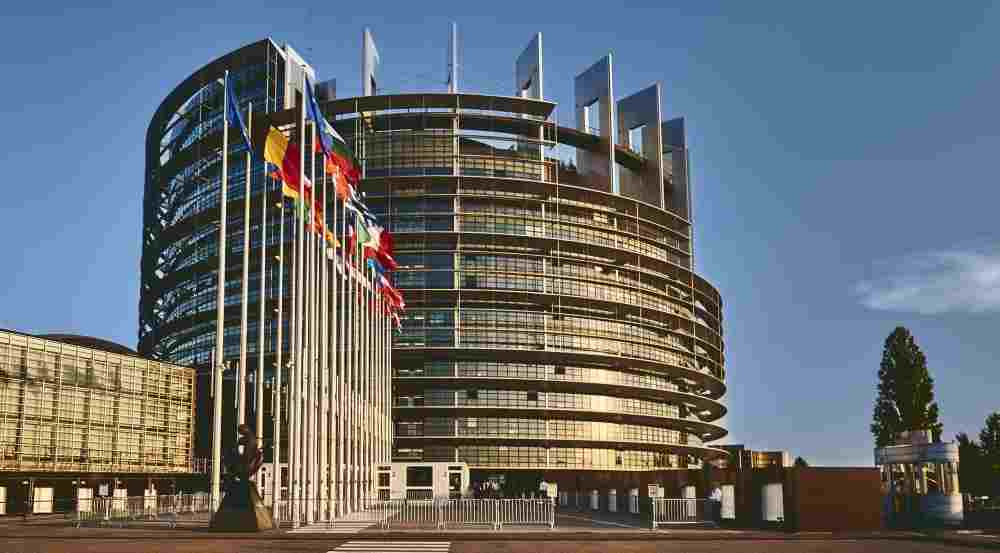
As EU President Ursula von der Leyen noted, "While energy costs are going down, national taxes on energy are going up. And the taxes that industry pays on electricity are 15 times higher than taxes on gas. This is just wrong.”
What This Means for the Chemical Sector
In the short term, companies are focusing on operational resilience:
· Improving energy efficiency.
· Securing longer-term power agreements.
· Optimising production scheduling.
In the medium term, firms that adapt early to electrification and low-carbon technologies may gain strategic advantages — particularly if EU reforms succeed in delivering a more stable energy system.
However, the transition has put chemical businesses in a critical situation.
While the chemical industry is calling for competitive pricing and faster relief, Brussels is pursuing structural reform aimed at long-term affordability and sustainability.
If policy measures are able to deliver affordable and predictable energy within a timeframe that matches industrial realities, then European chemical production can remain viable and competitive.
However, as every day passes, capacity decisions are being made based on which region has the most favourable energy economics — and once chemical production relocates, it may be gone forever.
Photo credit: Pvproductions on Freepik, wirestock, pvproductions, rawpixel,
José Alejandro Cuffia on Unsplash, & toowaaw