How Chemical Markets are Now Pricing Risk
In a world of ongoing war in Ukraine, conflict in the Middle East, and further tariff uncertainty, how can industrial chemical suppliers put a value on anything?
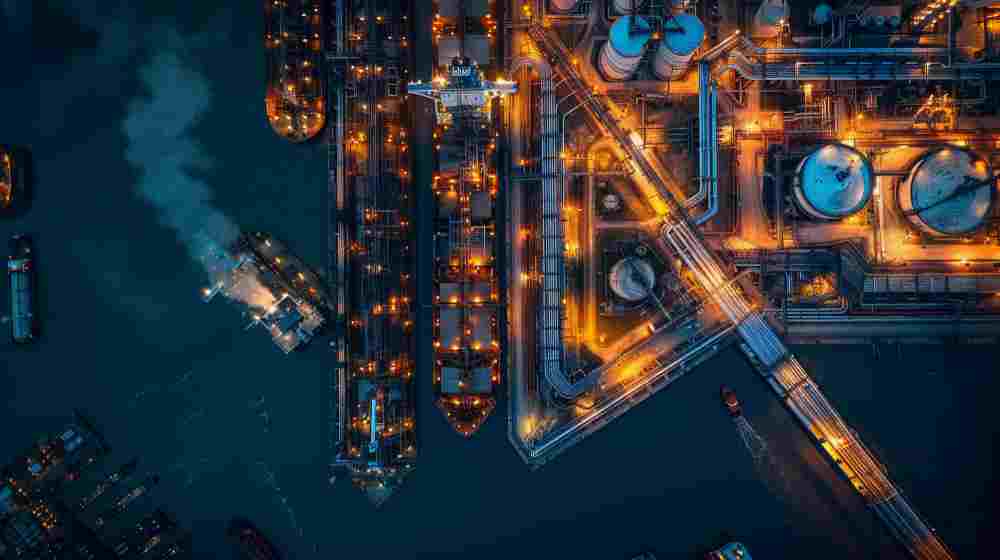
Oil remains the most visible bellwether of geopolitical stress and of industrial chemical prices.
Oil prices — a key indicator for energy-linked industries like chemicals — have risen considerably in response to the fighting in the Middle East and the closure of the Hormuz Strait. Recent data show Brent crude at multi-month highs, not because barrels are absent but because markets are pricing potential future shocks by default.
Related articles: What Chemicals Companies Can Learn from Better B2B Models and Why Chemical Supply Chains Now Matter More Than Price
The question of risk in chemical trading is more relevant today than ever before. Procurement teams and manufacturers are both freshly recovered from the shock to the global economy of the COVID pandemic but are now trying to navigate a trading system filled with Trump tariffs (whether legal or not), war in Ukraine, and ongoing conflict in the Middle East.
But as ICIS’s expert analyst on petrochemical trading, Paul Hodges notes, “This isn’t the first time that oil markets have worried about the threat of disruption to the Strait [of Hormuz]. In July 2008, Israel’s threat to bomb Iran’s nuclear facilities caused Brent prices to reach $146/bbl.” Fortunately, on that occasion “diplomacy prevailed and the tensions subsided … But this time, the attacks on Iran risk involving China and Russia.”
Furthermore, there is domestic political tension in the US, which, along with the upcoming mid-term elections, will put everyone on edge.
As the BBC prophetically warned, “The greatest danger now is that President Trump, having amassed this powerful force close to Iran’s borders, decides he must act or lose face, and a war begins with no clear end-state and with unpredictable and potentially damaging repercussions.”
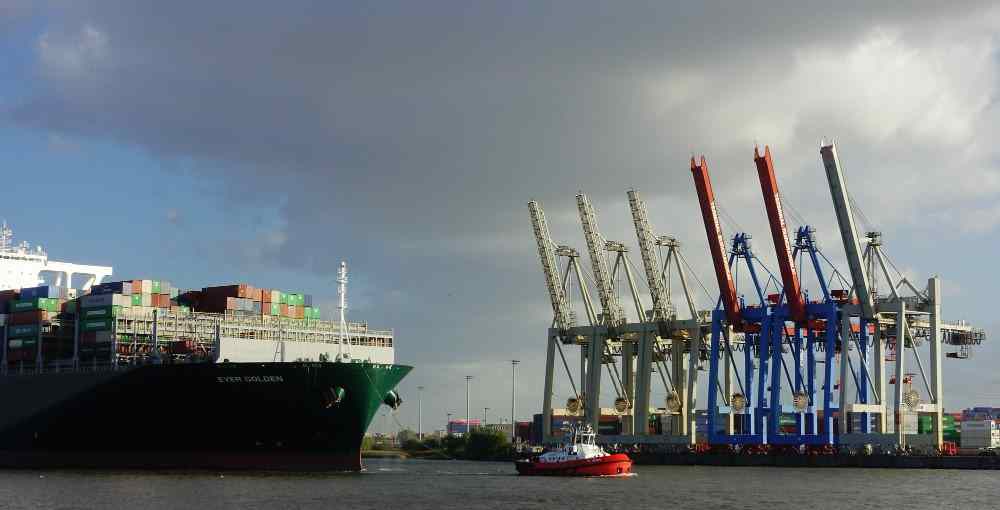
Rabobank’s Michael Every observes that current market moves aren’t just about hydrocarbon fundamentals but wider risk-chain pricing, stating that, “There’s a lot more for markets to think about than oil and gas, important and volatile as they are…”
This shift reflects a deeper reality for industrial chemicals: energy and logistics risk are inseparable from pricing, cost structures, and contract strategy. Volatility in energy feedstocks — naphtha, ethane, LPG — flows directly into chemical margins and impact chemical suppliers’ opportunities.
For chemical traders, producers, and supply-chain planners, the current business environment is not a passing phase; it’s a structural shift — one where political risk is increasingly part of the cost of doing business.
Conventional economic thinking suggests that geopolitical tensions are simply transient shocks. However, given the modern pace of global events, newer economic models are seeing the changes as a reshaping of global chemical industry trade flows. As chemical industry researchers at Opis, note, “Geopolitical tensions are accelerating supply chain reconfiguration across major chemical markets, shifting trade away from established routes toward a more fragmented, yet still globalised system.”
It is a point supported by Deloitte’s 2026 Chemical Industry Outlook which also highlights how ongoing geopolitical and trade tensions are rerouting supply chains, delaying investment decisions, and reducing trade volumes. Notably in the U.S., chemical import and export activity is running at multiyear lows.

This echoes broader strategies from larger industrial chemical producers, who are no longer just reacting to price spikes — they’re relocating supply chains and looking to balance risk with diversification. A recent economic study by the non-profit Cepr found that rather than repatriating supply chains wholesale, most firms respond to rising geopolitical risk by diversifying production regions.
It is a smart strategy based on placing orders for chemical products ahead of the curve that chemical traders should heed.
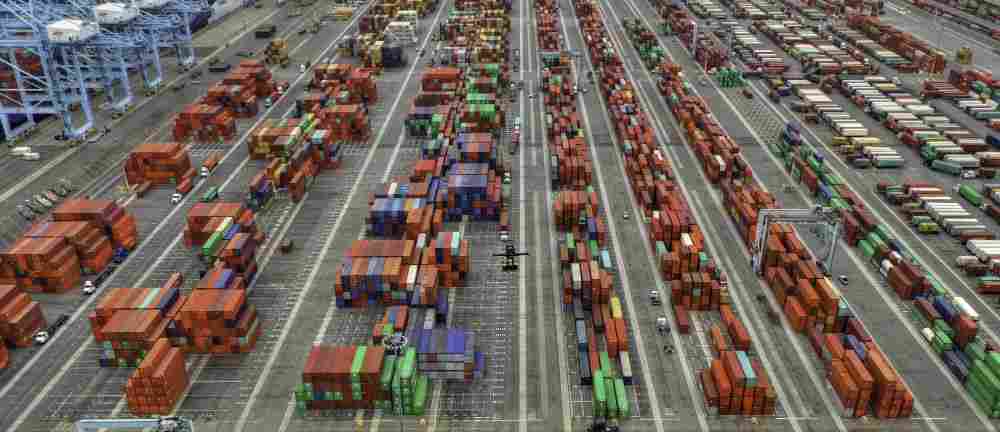
In a world where geopolitical tension is priced into markets, the relationship between trade policy, energy pricing, and chemical supply chain strategy has never been closer.
Geopolitical tensions are no longer external events you can ignore or bet on. Instead, modern chemical product valuation requires strategic planning. Today’s chemical markets are pricing in political risk all while supply chains are being actively redesigned to reflect long-term strategic concerns.
For chemical traders and supply-chain managers, the message is clear: geopolitical risk is now a first-order part of forecasting, pricing, and market strategy — not an occasional stress test or something to react to.