Iran War Shock Forces Chemical Business Closures
How geopolitical shocks make chemical industry winners and losers.
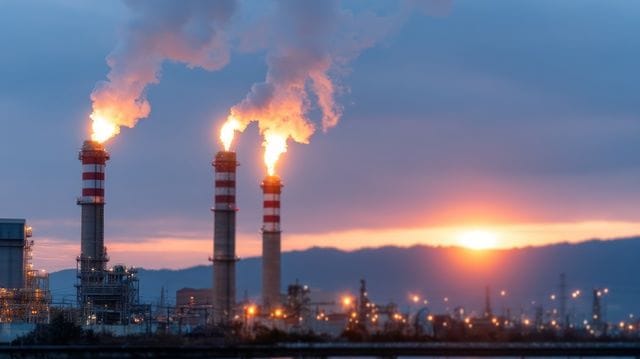
The chemical industry is no stranger to geopolitical shocks, but the latest conflict in the Persian Gulf has already inflicted unusually severe economic damage across global supply chains.
Rising feedstock costs, disrupted shipping routes, and tightening raw material availability are rapidly pushing production economics into the red. For some manufacturers, the pressure has become unsustainable, forcing plants to halt operations altogether.
Downstream chemical processors are often the first to feel the impact when feedstock markets spiral. Many operate on thin conversion margins, meaning sudden spikes in raw material prices can quickly turn profitable production into a loss-making exercise.
One of the clearest examples is WRP Asia Pacific, a Malaysian producer that recently announced it will wind down operations after raw material supply disruptions and rising energy costs made production uneconomic.
“The primary raw material affected is nitrile latex, a key raw material used in the production of nitrile gloves,” explained a company press release. Specifically noting that butadiene and acrylonitrile, which are necessary for the elasticity and durability of gloves, are now scarce due to supply shortages.
For chemical suppliers and manufacturers, the story is a warning sign: geopolitical disruptions can quickly cascade through global supply chains and wipe out thin manufacturing margins.
Related articles: How Involution is Impacting Industrial Chemical Markets or Chemical Trading Reacts as Production Shifts East
Even upstream producers are feeling the strain with production disruptions being reported at Sadara Chemical Company, one of the world’s largest integrated petrochemical complexes. A statement announcing that, “Sadara cannot provide, at the present time, an estimate for the return to production, as this is contingent on domestic and international factors.” This is significant, as any interruption at facilities of this scale sends ripples across global markets for plastics, polyurethanes, and specialty intermediates.
Why The Chemical Industry is Especially Vulnerable
The chemical sector has several structural characteristics that amplify geopolitical risk.
Firstly, the industry is heavily dependent on oil and gas feedstocks. When energy markets surge, the cost of producing basic petrochemicals rises almost immediately. Downstream processors must either absorb those costs or pass them on to customers.
Secondly, global supply chains remain concentrated around key transport corridors. With the Strait of Hormuz one of the most important of these routes, any disruption there immediately affects feedstock availability across Europe and Asia.
Finally, many chemical manufacturers operate under fixed supply contracts with customers. When raw material costs spike suddenly, producers can be trapped between rising input costs and static selling prices.
The Weakest Link: Mid-Chain Producers
The companies most at risk from these disruptions are not necessarily the largest chemical companies but mid-chain manufacturers. Polymer processors, rubber manufacturers, fertiliser plants, and other intermediate producers rely on steady supplies of petrochemical feedstocks. Their businesses depend on predictable margins between raw materials and finished products.
When feedstock prices spike or supplies become unreliable, those margins can disappear overnight. Smaller manufacturers often lack the financial buffers or hedging strategies needed to absorb prolonged shocks. As a result, temporary shutdowns—or even permanent closures—can follow quickly.
What Shutdowns Mean for Chemical Markets
Plant closures rarely remain isolated events, as once production stops at one stage of the value chain, the effects spread rapidly. This is because reduced manufacturing output can tighten supply in downstream markets, meaning that products that previously seemed abundant can suddenly become scarce. The result is that chemical traders may see widening regional price gaps as logistics constraints make it harder to move materials between markets.
For buyers of industrial chemicals, this can mean sudden price volatility and unpredictable availability. While this can be painful for manufacturers, it can also create opportunities for trading businesses.
When supply chains fragment, companies able to source raw materials from alternative regions gain a competitive advantage. Traders with diversified supplier networks can fill gaps left by shuttered plants or disrupted producers.
Periods of volatility also tend to increase spot-market activity, as buyers who normally rely on contract supply may turn to chemical traders when their usual raw material suppliers cannot deliver.
A Fragile Global Chemical System
The shutdown of companies such as WRP Asia Pacific highlights how exposed the chemical industry remains to geopolitical disruption. Feedstocks, energy, and logistics routes are often concentrated in a handful of regions, making the system vulnerable when conflicts emerge.
For chemical traders and manufacturers alike, the lesson is clear: resilience in supply chains is no longer optional. Companies that diversify sourcing, maintain flexible supply relationships, and monitor geopolitical risk closely will be best positioned to navigate an increasingly unpredictable market. And those that do not prepare for the unexpected risk losing everything.