Why Chemical Supply Chains Now Matter More Than Price
How raw material buyers and sellers are protecting themselves against the real cost of supply chain disruption.
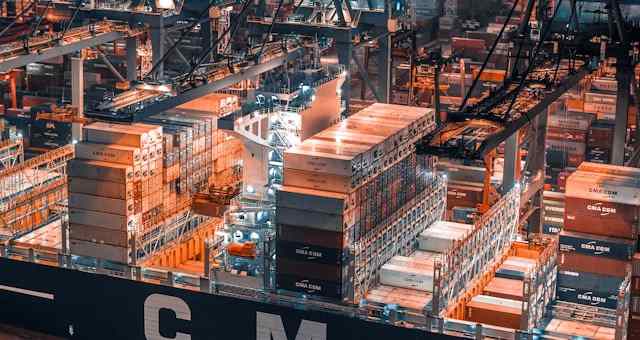
In these turbulent economic times, chemical industry analysts are latching on to the theory that supply chains are no longer a background operational issue, but a direct driver of profit.
For chemical traders and manufacturers this will come as no surprise.
Even before the COVID pandemic turned the world and its logistical systems on its head, those on the front line of supplying industrial raw materials were aware of how neglected supply chains could quickly eat into profit margins. This has now been confirmed by recent industry research by DP World which found that globally, chemical supply chains experience more than 17,500 disruptions every year at a cost of more than $12.2 billion.
The report was based on the survey responses of 680 senior logistics leaders across eight industry sectors. With the chemical industry involved in more than 96% of global manufactured goods, their responses gave insight into the true cost of logistics for chemical companies.
For instance, the report found that over the last three years, 90% of chemical cargo owners have been impacted by port congestion, 91% have encountered geopolitical disruptions, and 92% have encountered customs or border delays. This led to more than half of cargo owners losing more than a month of operational time as a result of interruptions.
Related articles: Electrifying Chemical Products for Sustainability and Profit and 4 Warnings for Raw Material Sourcing in 2026
Perhaps most surprisingly, the report found that many of the chemical industry’s logistical disruptions are not extreme events, but are instead caused by customs bottlenecks, documentation errors, port congestion, and poor planning/communication. Yet these issues are still expensive, with the average cost of each disruption being about $700,000, with around one-third of businesses reporting losses of more than $1 million per year. Incredibly, one in ten cargo owners experienced disruptions costing $5 million or more.
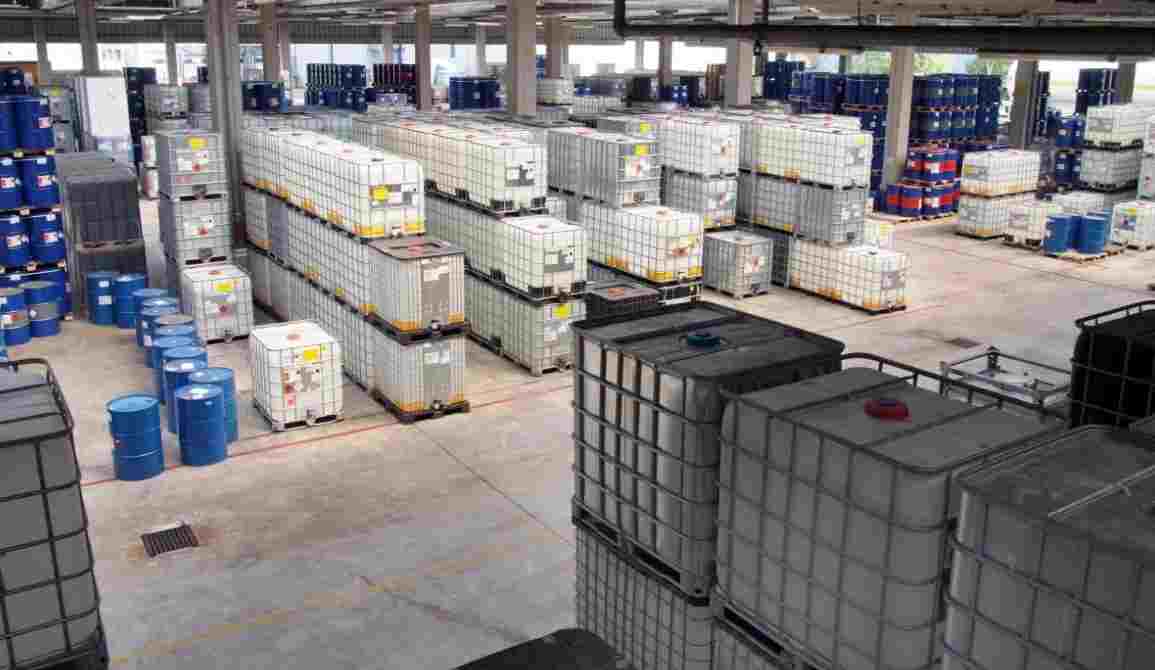
Chemical supply chains are uniquely vulnerable, as hazardous classifications, strict compliance requirements, limited port infrastructure, and dependence on bulk logistics all amplify the risk or add to the impact of delays. While for traders, these costs include penalties, demurrage, and contract failures, the true value of the disruption often surfaces indirectly through missed delivery windows, price renegotiations, forced spot purchases, or broken long-term relationships.
For chemical manufacturers, the impact can be even harsher, as delayed feedstock shipments can shut down entire production lines, multiplying losses far beyond transport costs.
The Commercial Advantage of Well-Organised Logistics
One of the clearest conclusions from the logistics research was that a lack of end-to-end visibility is now one of the biggest profit leaks in the chemical industry. When traders and producers cannot see where inventory is, which route it is taking, or how delays will multiply, decisions become reactive and expensive.
In response, digital supply chain tools, such as real-time tracking, predictive analytics, and integrated data platforms, are increasingly being treated as revenue-protecting investments rather than IT upgrades. The result is that chemical companies with better visibility can reroute shipments faster, renegotiate delivery terms earlier, and make more informed trading decisions.
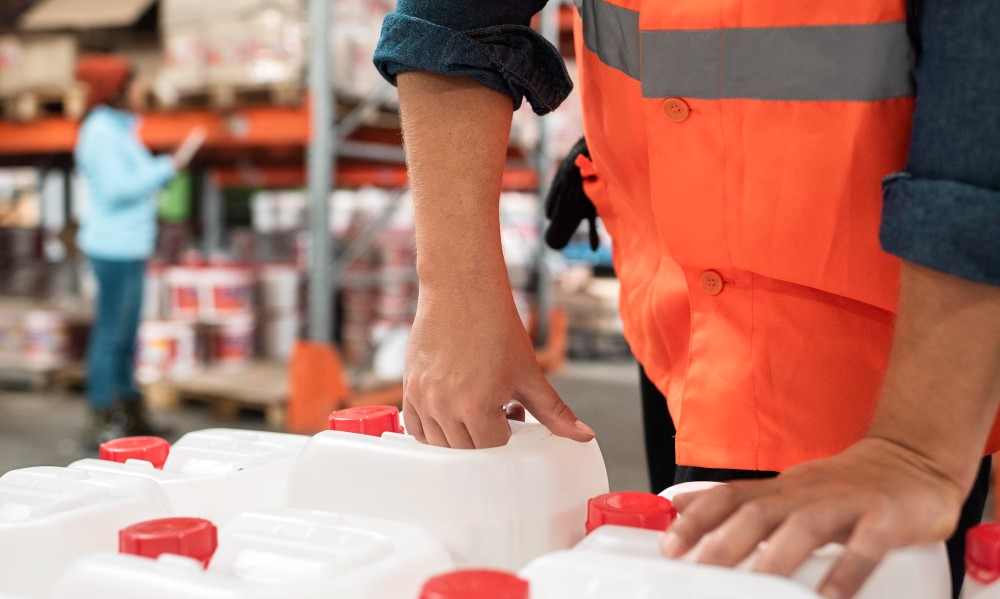
Logistics investment, the DF World survey discovered, was seen as money well spent. “Over half of chemical BCOs [beneficial cargo owners] say their organisation is investing in warehousing and storage (54%), with around half also funding inbound logistics, sustainability and ESG (49%),” the report notes. With further spending on, “Risk management and resilience planning (46%), domestic transport and last mile (45%), supply chain or production logistics technology (40%), customs or regulatory compliance (39%), or production input and factory-level logistics (38%).”
How Logistics are Shaping Chemical Industry M&A Strategy
According to recent analysis by consultants at PwC, chemical companies are increasingly focused on resolving the cost of logistics wastage. The result is that supply chain risk is now dictating how chemical assets are valued, leading chemical suppliers to actively simplify their portfolios, exit non-core businesses, and acquire assets that offer stronger operational control.
By doing so, they aim to increase margins by ensuring feedstock security through improved logistics options and better regional access. For example, a supplier with reliable raw material sources and resilient logistics can justify higher prices than a technically similar supplier exposed to single-route supply chains.
Chemical companies that can switch sources, grades, or routes quickly are better positioned to manage volatility — and are more attractive partners in long-term supply agreements.
For chemical traders and smaller manufacturers to achieve this involves practical steps such as:
· Diversifying logistics routes and partners to provide back-up plans.
· Investing in logistical visibility to improve cost control and responsiveness to when the unexpected happens.
· Aligning portfolios around feedstock security to strengthen long-term margins.
· Factoring logistics resilience into deal valuation to avoid hidden costs.
· Treating supply chains as strategic assets, not overheads.
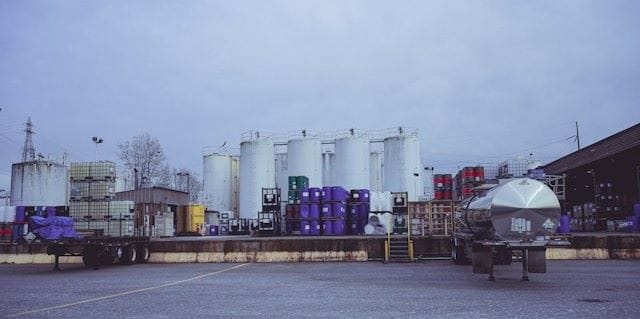
For the foreseeable future, chemical markets are likely to remain volatile, as Trump’s tariff war, Russia’s invasion, and unexpected energy price changes will continue. But a more distant look to the future still shows a world full of geopolitical manoeuvring, regulation changes, and shifting demand patterns. Disruptions to supply chains are not short-term phenomena but permanent fixtures in human history.
This means that for industrial chemical suppliers, the bottom line is that supply chains are no longer just about moving product — they are about preserving value and maintaining logistics. Because the most successful chemical businesses will not be those that avoid disruption entirely but will instead be those that can absorb it with minimal financial damage.
Photo credit: Chelaxy Designs on Unsplash, Timelab, Pxhere, & Freepik