Recycled Feedstocks: Europe's Next Big Chemical Market
Will recycled feedstocks become not just about sustainability but the foundation of a revitalised trading market?
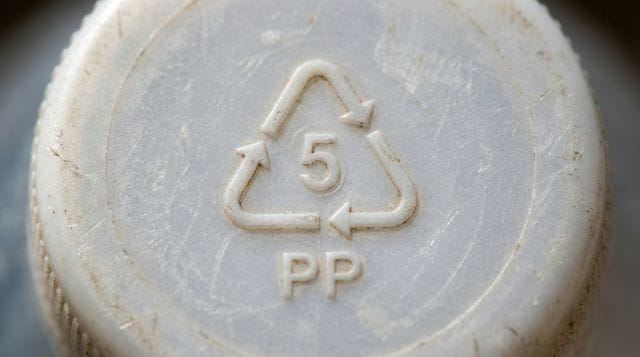
For decades, plastic waste was treated primarily as an expensive but necessary disposal problem.
With the introduction of the circular economy, it is now being reframed as an industrial resource. And with a surge in eco-friendly EU regulation and disruptive geopolitics, manufacturers are being forced to rethink how plastics are sourced and produced. The result is a growing market for recycled feedstocks.
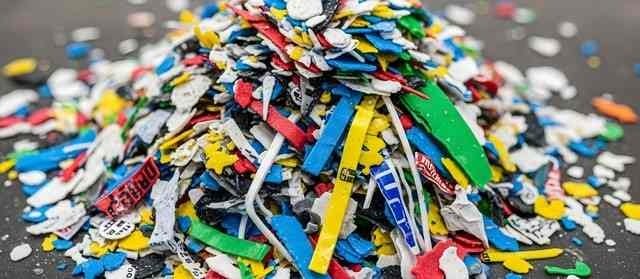
At the centre of this transition is the EU Packaging and Packaging Waste Regulation (PPWR), introduced by the European Commission. The regulation requires packaging placed on the European market to become fully recyclable and sets minimum recycled content targets for plastic packaging over the coming decade.
As a report by S&P Global states, “The EU PPWR, which entered into force in February 2025 and will apply from August, requires all EU packaging to be recyclable or reusable by 2030 and mandates recycled content, among other policies.”
“For years, recycled-content targets have been debated without a sufficiently clear and harmonized way to calculate and verify figures consistently across member states,” Chemical Recycling Europe said in a statement. “This decision provides that common approach.”
The implications reach far beyond waste management, as to comply with these rules, packaging producers and consumer brands will need large volumes of recycled materials. This requirement is gradually transforming plastic waste into something new: a strategic feedstock for the chemical industry.

For the EU Commission, the plan is not just for increased sustainability; it is also to combat the external effects forcing the European chemical industry into decline. “Evidence from the European Commission's Joint Research Centre shows that circular solutions can cut the sector's climate-related emissions by 45%, decarbonise energy use, and improve the sector's trade balance by €18 billion per year by 2050,” the Commission notes.
Related articles: Iran War Shock Forces Chemical Business Closures and Endless Recycling for Acrylic Plastics?
For chemical traders and distributors, the development raises an important question. If recycled materials become essential inputs for plastics production, will they also become better commodities for trading?
Demand for Recycled Materials Is Rising Fast
The regulatory pressure created by PPWR is already pushing companies to secure reliable supplies of recycled materials. Large consumer goods companies have publicly committed to using more recycled plastic, and packaging manufacturers are under growing pressure to follow.
Demand is therefore increasing across several categories:
- Mechanically recycled polymers such as recycled polyethylene and polypropylene.
- Chemically recycled feedstocks used in petrochemical production.
- Mixed plastic waste streams suitable for advanced recycling technologies.
The challenge is that supply chains for these materials are still developing. The result is that many companies are discovering that securing consistent volumes of recycled inputs is far more complicated than sourcing conventional petrochemical raw materials – and that is creating value.
Unlike fossil feedstocks, recycled materials depend on complex collection, sorting, and processing systems. These systems are unevenly developed across Europe, creating regional supply imbalances.
Chemical Recycling is Creating New Feedstocks
Mechanical recycling has long been the dominant method for recovering plastic waste, but it cannot handle every type of material. Multi-layer packaging, contaminated plastics, and mixed waste streams often fall outside its capabilities.
This limitation has led to growing interest in chemical recycling technologies.
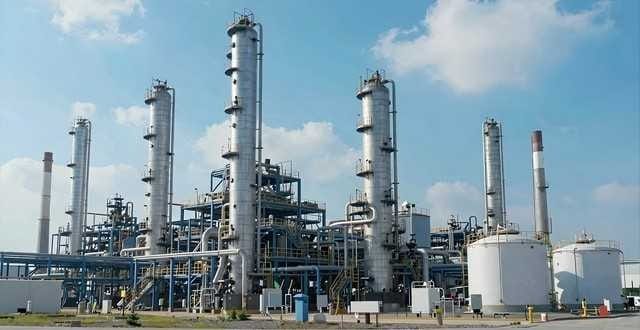
Major chemical companies, including BASF and SABIC, are investing heavily in processes that break down plastic waste into its chemical building blocks. Through techniques such as pyrolysis or depolymerisation, plastic waste can be converted into hydrocarbons that resemble traditional petrochemical feedstocks.
The output of these processes—often referred to as pyrolysis oil or recycled naphtha—can then be fed back into existing petrochemical infrastructure. In effect, plastic waste is transformed into a refinery-like input.
From a trading perspective, this is a significant development. Instead of simply recycling plastic into lower-grade products, chemical recycling allows waste-derived materials to re-enter high-value chemical supply chains.
Supply Remains the Main Constraint
Despite strong policy support and rising demand, the supply side of recycled feedstocks remains limited, with several structural issues slowing market development.
Waste collection systems, for example, vary widely between countries, and sorting infrastructure is often insufficient to produce consistent feedstock streams. At the same time, many chemical recycling plants are still at pilot or early commercial scale, and even where projects are announced, they frequently face economic challenges.
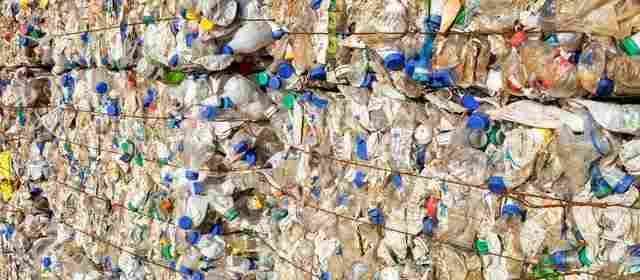
Chemical recycling technologies typically require substantial capital investment and may involve high operating costs, particularly when energy prices are volatile. And as a result, supply chains for recycled feedstocks remain fragmented, volumes are still relatively small, quality varies, and reliable long-term supply remains difficult to guarantee.
Why Traders May Play a Key Role
These characteristics create an environment where intermediaries could become increasingly important, as chemical traders are already accustomed to managing complex supply chains, handling quality variations, and connecting fragmented markets.
For example, traders could gain advantage by aggregating waste-derived materials from multiple sources. From here they could connect recycling plants with polymer producers and identify regional arbitrage opportunities. Differences in waste availability, recycling infrastructure, and regulation across Europe may also create pricing disparities that experienced traders can exploit.
In this sense, recycled feedstocks may behave less like traditional petrochemical commodities and more like specialised industrial raw materials.
A New Segment of the Chemical Market
By 2030, the landscape of chemical raw materials in Europe may look very different. As circular economy policies expand across the European Union, recycled inputs are likely to become standard components of plastic production.

Secondary raw materials may increasingly appear alongside conventional petrochemical intermediates in procurement systems, while long-term contracts between recyclers, chemical producers, and brand owners could become more common as companies attempt to secure reliable supply.
For traders, this transformation presents both uncertainty and opportunity. Plastic waste, once considered an environmental liability, is gradually being redefined as a valuable industrial resource. This means that those who understand the emerging supply chains early may find that recycled feedstocks become not just a sustainability story but the foundation of a renewed trading market.
Photo credit: Vecteezy, Vecteezy, Vecteezy, Vecteezy, Vecteezy, & Vecteezy