From Panic To Pushback: A Chemical Spot Price Tale
Chemical spot markets are cooling fast as panic buying fades and buyers regain control.

A not-so-subtle shift has occurred in the European chemical spot market. After a stretch of frantic buying, defensive hedging, and “just secure the cargo” mentality, the tone has changed.
Spot prices across key commodities like methanol, benzene, acetone, and polyolefins are easing as buyers stop chasing cargoes at any price—and it is now showing up clearly in the numbers.
Methanol: From €544/T Peak to €520/T and Sliding
In mid-April, European methanol spot prices hit €544/tonne FOB Rotterdam, driven by supply anxiety linked to geopolitical disruption and tight global availability. However, by late April, prices had already softened to around €520/tonne for June loading, marking the first meaningful decline after a seven-week rally. With a recent ICIS report noting that, “Europe spot pricing has gone into reverse as buyers push back amid stagnant downstream demand.”

The reason is more predictable than the markets have been:
- Buyers already stocked up during the panic phase.
- Demand did not expand.
- Supply fears did not fully materialise.
The supply-side change was noted by S&P Global, which predicts, “New capacity additions [which] are expected to keep markets well supplied and limit price upside.” And as the “insurance buying” has stopped, so the prices have begun falling.
Benzene: Still Firm on Paper, But Losing Momentum
Benzene tells a slightly different story—but the direction is similar. By March 2026, European benzene prices were around $0.79/kg (~$790/tonne), with modest upward movement earlier in the quarter driven by downstream styrene and cumene demand. However, chemical market analysts now believe that benzene’s strength in the market was not demand-led, but was instead due to supply timing and downstream restocking.

A report into market conditions from ICIS stating that, “Panic buying and rocketing prices have given way to lower values.” Before noting the change, as “Buyers baulking at paying a premium when downstream demand is still flat.”
Acetone: Demand Softens, Imports Return
Acetone shows what happens when a shock to suppliers meets reality. Earlier in April, Europe saw acute tightness and rising spot values for acetone, but as imports arrived and operating rates increased, prices started to decline as demand weakened.
ICIS summarises the situation bluntly, stating that, “European acetone… prices declined… as demand softened.” Significantly noting that, “Availability has improved… and the demand pull… has weakened.”
In short:
- Supply disruption resolved faster than expected.
- Buyers stopped paying urgency premiums.
- Offers widened and competition returned.
Styrene: The Classic Panic Spike Then Fade
Styrene is almost a textbook example of panic pricing, as in early April, European spot styrene prices jumped from around $1,620/tonne to a peak of $1,815/tonne, driven by temporary production disruptions and restricted availability.
But as those outages eased, prices quickly retraced to around $1,790/tonne, showing how fast risk premiums evaporate once supply stabilises.
This has been a consistent pattern for much of this spring's spot chemical pricing:
- Shock → spike
- Restocking → overshoot
- Normalisation → slow fade
The outcome has been profitable for chemical traders able to react quickly, and a failure for those with a “buy and hold” strategy.
Why This Matters for Spot Traders
The last cycle rewarded one behaviour above all others: speed under fear.
Those who were quick during supply panic phases made money easily with sellers getting offers accepted without resistance, while buyers accepted premiums just to avoid risk. But that environment is now fading as buyers have become more selective as inventories are looking healthier.
But while there has been a return to price elasticity and a halt on urgency premiums, this is still not a quiet market. With methanol easing from €544/t to €520/t, styrene retracing after a sharp spike, and acetone softening as imports return, the signs are that chemical markets are no longer pricing fear—but instability still remains.
Related articles: Recycled Feedstocks: Europe's Next Big Chemical Market or Youth: The New Force in Chemical Industry Sales
As McKinsey & Company highlights, volatility in chemicals is becoming structural, not cyclical. The difference now is that price movements are driven less by reaction and more by positioning—inventory levels, regional imbalances, and timing.
But this isn’t a return to stability—it’s a transition to a more selective market. Price direction is no longer being driven by shock, but by positioning. The edge now sits with traders who can read timing rather than react to headlines.
Volatility hasn’t gone away—it’s just become less obvious. And in this phase, the winners won’t be the fastest to buy. They’ll be the fastest to recognise when not to.
Industrial chemical trading platforms are becoming increasingly valuable in this kind of market shift. When urgency premiums disappear and buyers grow more selective, access to real-time pricing, multiple counterparties, and transparent offers becomes a clear edge.
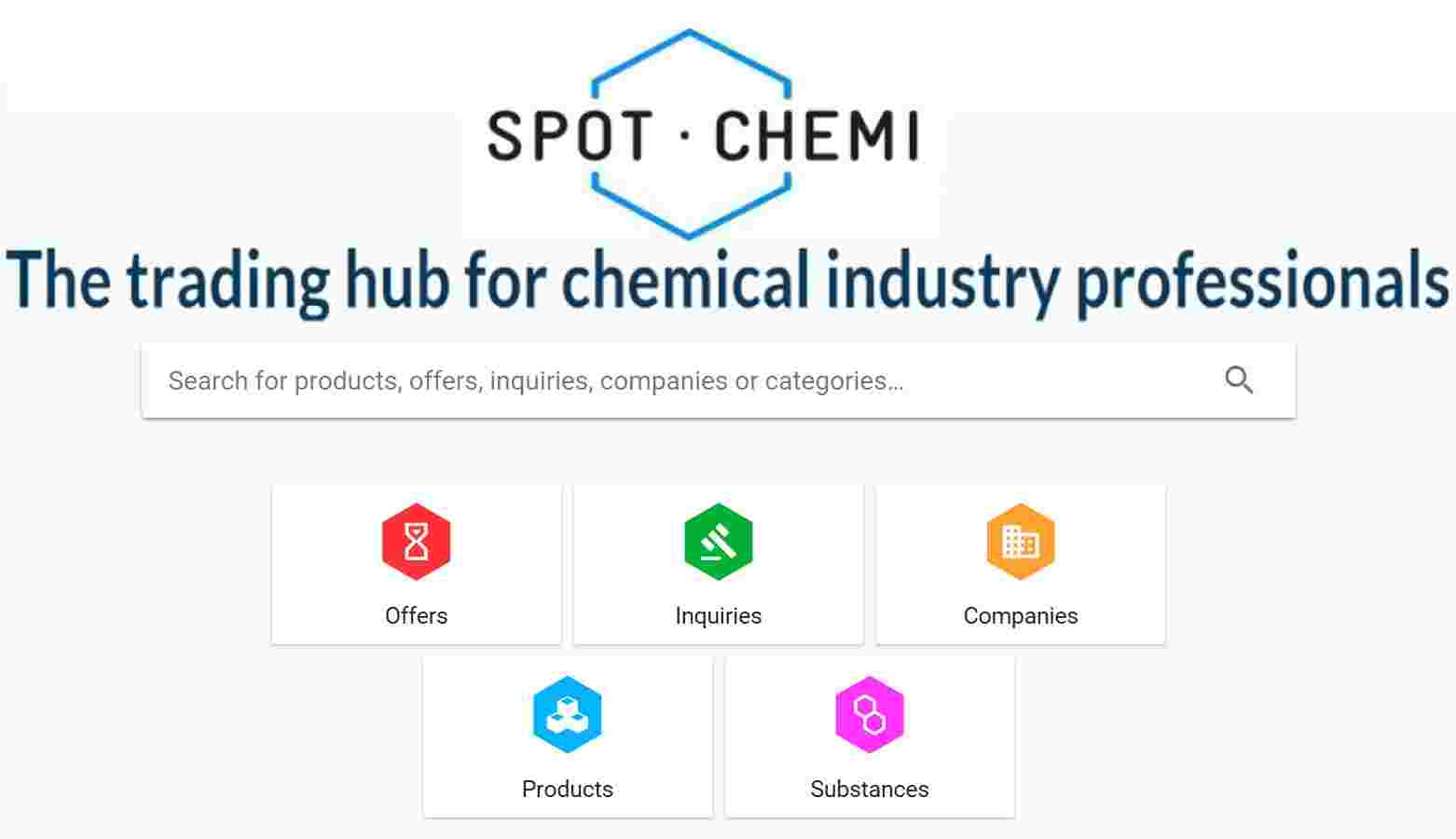
Instead of relying on fragmented broker networks or slow bilateral negotiations, traders can now quickly test the market, compare bids and offers, and adjust positions in line with changing sentiment.
In a phase where timing matters more than outright direction, platforms like Spotchemi help traders stay flexible—reducing execution lag, improving price discovery, and ultimately making it easier to capture margins in a market that is no longer driven by fear but by precision.
To learn more about how Spotchemi (who sponsor this page) can improve your chemical trading and supply strategy, read How the SPOTCHEMI Platform Works or visit Spotchemi to see what is already on offer.
Photo credit: Vecteezy, Vecteezy, Vecteezy, Vecteezy & Spotchemi