Europe’s Chemical Industry is Being Forced Towards Opportunity
Why supply disruption is creating a mini rally for some European chemical producers and a long-term strategy for the sector as a whole.
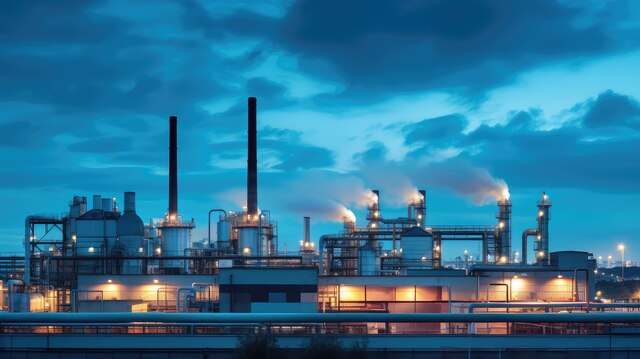
Europe’s chemical industry remains under enormous pressure from high energy costs and geopolitical instability. Yet despite the difficult environment, parts of the sector are beginning to experience an unexpected recovery.
The reason is simple: global supply chains are fragmenting. And while Europe continues struggling with expensive energy and weak domestic industrial demand, disruptions affecting Asian chemical production are temporarily improving conditions for some European manufacturers.
Several major producers have already reported stronger margins and improving market conditions during 2026 as imports from Asia tighten.
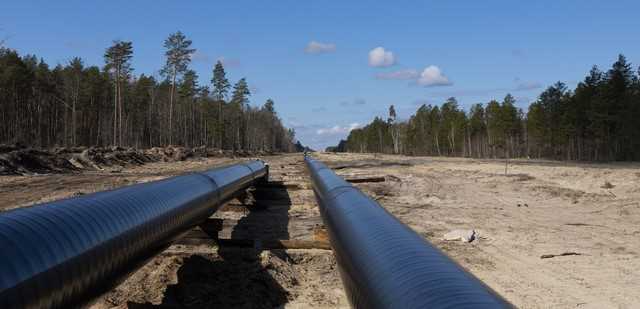
According to Reuters, Lanxess CEO Matthias Zachert recently stated that the current geopolitical disruption was creating “temporarily more favourable market conditions for the European chemical industry”.
The closure risks surrounding the Strait of Hormuz have become particularly important because roughly half of China’s oil imports originate from the Middle East. As disruption has intensified during the Iran conflict, Chinese refiners reportedly prioritised fuel production over petrochemical feedstocks, which has directly affected global olefins production. LyondellBasell executive Kim Foley, for example, noted that Chinese ethylene cracker operating rates have steadily declined during the conflict as feedstock availability tightened.
BASF chief financial officer Dirk Elvermann acknowledged the impact directly, pointing out that many current force majeure declarations are still concentrated in Asia rather than Europe. “For the chemicals and materials segments, we are expecting considerable improvements in earnings compared with the prior-year quarter,” he stated. “And this, of course, has to do with the current situation in the Middle East.”
That distinction matters because buyers increasingly want dependable regional suppliers capable of maintaining deliveries during periods of geopolitical instability.
“Supply capability is currently a significant competitive advantage,” Zachert explained.
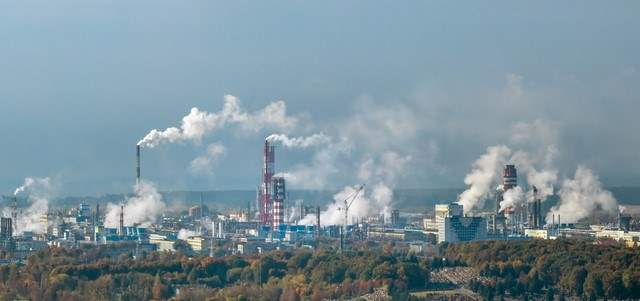
That marks a major shift in chemical procurement strategy, as for years, global chemical sourcing was designed almost entirely around efficiency and low-cost production. Buyers relied heavily on international supply chains, particularly from Asia and the Middle East, to minimise procurement costs.
Now repeated geopolitical disruptions are now forcing manufacturers to rethink that approach. Rather than competing primarily on price, companies are increasingly focusing on the following:
- Regional supply security – This is becoming critical because repeated geopolitical shocks have shown that long, global supply chains can no longer guarantee uninterrupted access to key chemical feedstocks.
- Reliability – Buyers are prioritising suppliers that can consistently deliver on time, as production downtime in downstream industries (automotive, packaging, pharmaceuticals) has become far more costly during volatile markets.
- Specialty chemicals – These products are less commoditised and offer higher margins, making them a strategic focus for European producers that cannot compete with lower-cost bulk chemical production.
- Regulatory compliance – Strict EU chemical and environmental regulations are turning compliance into a competitive differentiator, as global buyers often value documented safety and sustainability standards.
- Technical support – Customers increasingly expect suppliers to provide formulation expertise and process support, since optimising chemical use has become essential in managing cost and performance trade-offs.
That transition may help some sectors survive, but it also reflects how difficult commodity chemical manufacturing in Europe has become.
Another of the huge challenges facing European chemical production is that Russian gas was not simply an energy source. It was also a critical chemical feedstock. Replacing that infrastructure has proved far more difficult than policymakers initially expected.
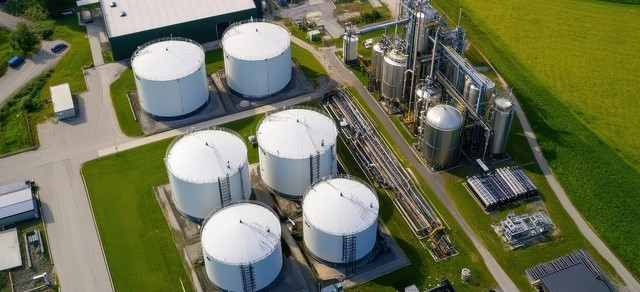
“Alternatives such as biomethane can support the transformation,” notes the German chemical industry association VCI.. “But they are still in the ramp-up phase and are currently available only to a limited extent.”
Chemical recycling is also attracting increasing investment as European manufacturers attempt to reduce dependence on virgin fossil feedstocks. This matters strategically because recyclable feedstocks potentially offer several advantages simultaneously:
- Lower dependence on imported hydrocarbons.
- Greater regional supply security.
- Improved regulatory positioning.
- Reduced carbon exposure.
- Stronger alignment with EU sustainability rules.
For many chemical companies, sustainability is no longer simply a branding exercise; it is becoming part of industrial survival strategy.
This means that European environmental policy is increasingly becoming part of Europe’s industrial security strategy. For years, climate policy was often discussed mainly in terms of emissions reduction and sustainability targets. Today, however, policymakers and chemical manufacturers are beginning to view decarbonisation through the far more strategic lens of reducing Europe’s dependence on unstable international fossil fuel supply routes.
Related articles: From Panic To Pushback: A Chemical Spot Price Tale or Recycled Feedstocks: Europe's Next Big Chemical Market
The vulnerability exposed by the loss of Russian gas, followed by the instability surrounding the Strait of Hormuz, has demonstrated how deeply European industry remains tied to imported hydrocarbons. Every geopolitical disruption now carries direct consequences for chemical feedstocks, energy pricing, manufacturing costs, and ultimately industrial competitiveness.
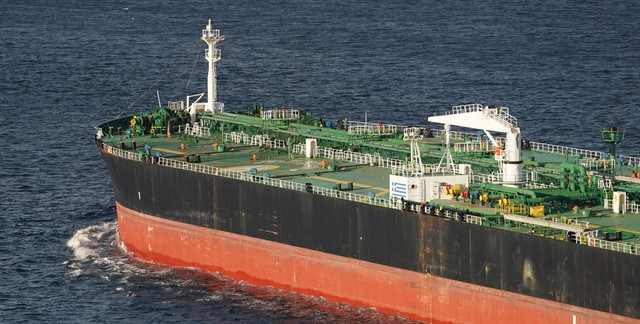
This is one reason why the EU’s push toward circular chemistry, chemical recycling, biomethane, renewable electricity, and alternative feedstocks is becoming strategically important beyond environmental considerations alone. The objective is no longer simply lowering emissions. It is also about building a chemical industry that is less exposed to geopolitical choke points, shipping disruptions, and volatile oil and gas markets.
Europe is unlikely to regain global cost leadership in commodity chemicals against regions with structurally cheaper energy and feedstocks. Instead, Europe’s advantage may lie in creating a more technologically advanced, regulation-driven, regionally secure chemical industry focused on specialty materials, technical expertise, reliability, and sustainable feedstocks.
Photo credit: Vecteezy, Vecteezy, Vecteezy, Vecteezy, & Vecteezy.